
Animals that have undeniably played a huge part in human civilization for thousands of years are horses – they are loved by many people and although their role has changed a lot throughout the years, they are as well loved as ever. Nowadays, many people keep horses as companions, simply because they love them – people learn to ride horses because they enjoy it so much and rather than farming and warfare, horses offer company and also therapy.
You can find horses throughout art featuring prominently too – from the theatre to bronze horse sculptures like this https://www.gillparker.com/bronze-horse-sculptures-limited-edition-to-buy they are an animal that are charming, endearing and excellent companions.
Many different breeds of horses came to be over the year, usually bred for various tasks and suited to both the job and the climate they lived in – there are many horse breeds native to Britain. Here are three well-loved British breeds that you can see today…
New Forest Pony – Originating in Southern England, the New Forest pony can still be seen today roaming the New Forest in Hampshire. Ponies have been kept in this area since records began back in the 11th Century, and like the Highland Ponies these are popular with riders and especially well-suited to children who are learning to ride.
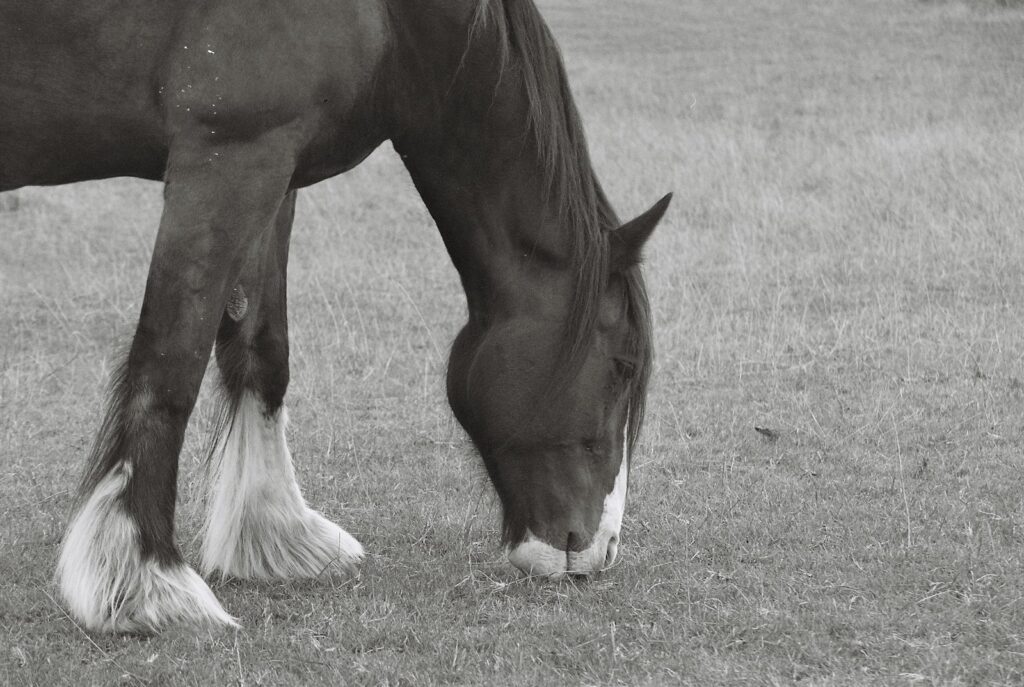
The Shire Horse – One of the most recognisable horses in the UK is the enormous shire horse. Despite its large size, these are gentle giants with even temperaments. They were bred for their extraordinary strength, which enabled them to pull farming machinery as well as helping to move goods around the country.
Shire horses are still used in a work capacity, in some areas where land is hard to access with a vehicle for example they can be used to assist with logging.
Highland Pony – One of the largest of the native horse breeds, the Highland pony ordinates, as the name suggests, from the highlands of Scotland. These ponies are hardy and used to the extreme weather in the Highlands, and they are loved by the Royal Family who kept them at Balmoral, although since the death of the Queen they are moving to England. It is also an excellent pony for riding and is popular with families, as well as for working and getting around the Scottish hills.
Exmoor, Dartmoor and other hardy native ponies
Native breeds have become hardy enough to cope with Britain’s changeable weather. The Exmoor pony is known for its toughness and resistance to illness. It is usually bay or brown with no white markings, stands 11 to 12 hands and has an unusual extra molar not found in other breeds. It is listed as endangered by the Rare Breeds Survival Trust.
The Dartmoor pony, a separate breed from the south-west of England, is small, stocky and known for its stamina. It worked in Devon’s tin mines and quarries for hundreds of years, and herds still roam the moors, though in smaller numbers than before.
The Highland pony from Scotland was once a workhorse and is now popular for trekking. It stands 13 to 15 hands, is heavily built and gentle, and some have a dorsal stripe. In northern England, the closely related Fell and Dales ponies are separate breeds. The agile Fell copes well in harsh winters, while the Dales, once used as a pit pony, is now endangered.